Typical lifespans, honestly stated
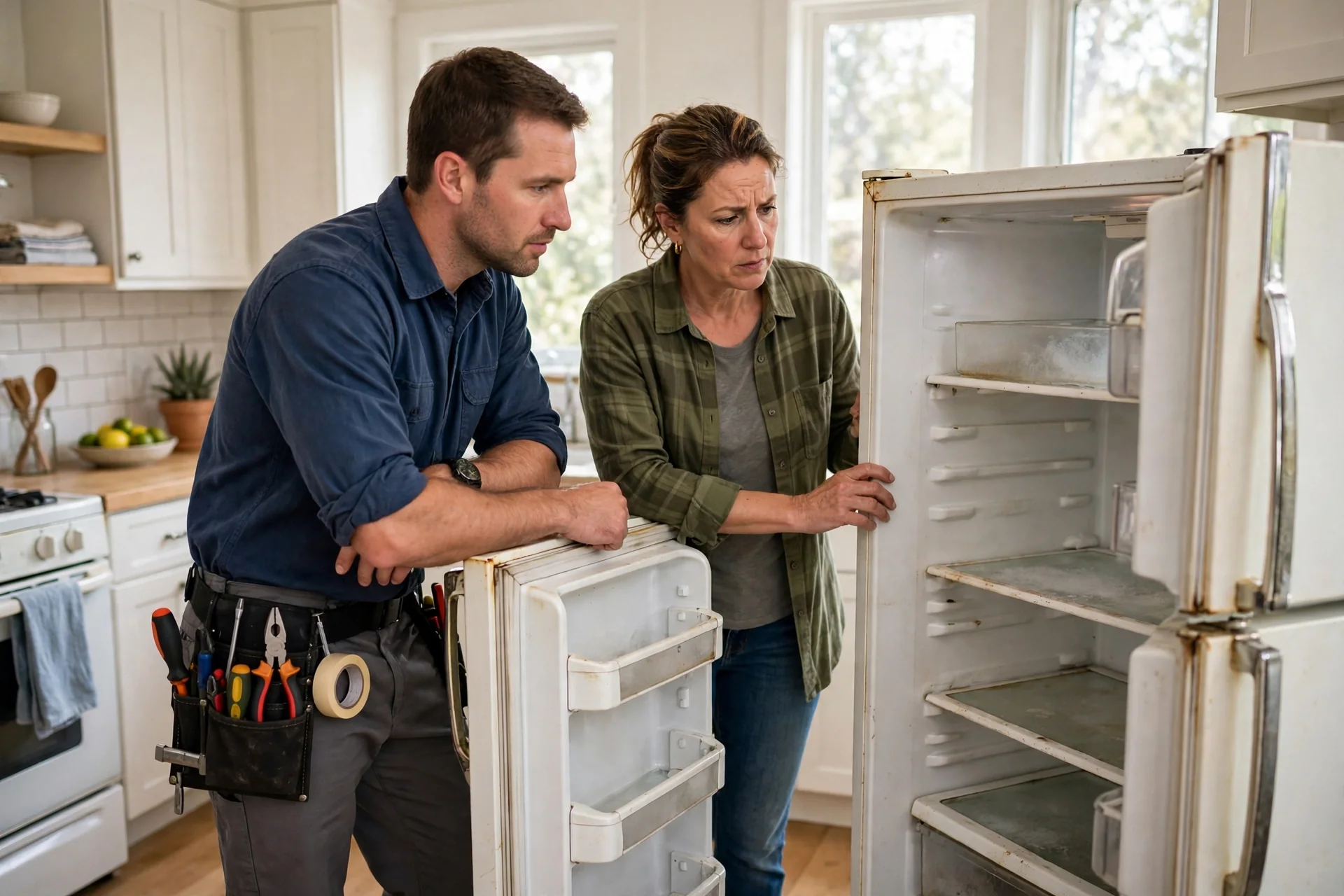
Refrigerators: 10–18 years. Washers: 8–12. Dryers: 10–14 (and simple older dryers often beat that). Dishwashers: 8–12. Ranges and ovens: 12–18. Microwaves: 7–10. These are ranges, not promises; well water, vent condition, and load volume move a given machine within them, which is why we judge your appliance, not a chart.
Where the 50% rule bends
It bends toward repair for simple machines (dryers, older top-load washers) where parts are cheap and the rest of the machine is sound. It bends toward replace for sealed-system fridge failures (compressors) and for appliances needing two major parts at once. It also bends when parts are discontinued: no rule fixes a part that no longer exists.
The hidden costs of replacing
Delivery, installation, haul-away, and the cabinet or doorway modifications a different-sized unit can force, especially in historic downtown Hartsville kitchens. A repair quote should be compared to the full replacement bill, not the sticker price. Our cost guide has typical ranges for both sides of that comparison.
The Replacement Bill Is Bigger Than the Sticker Price
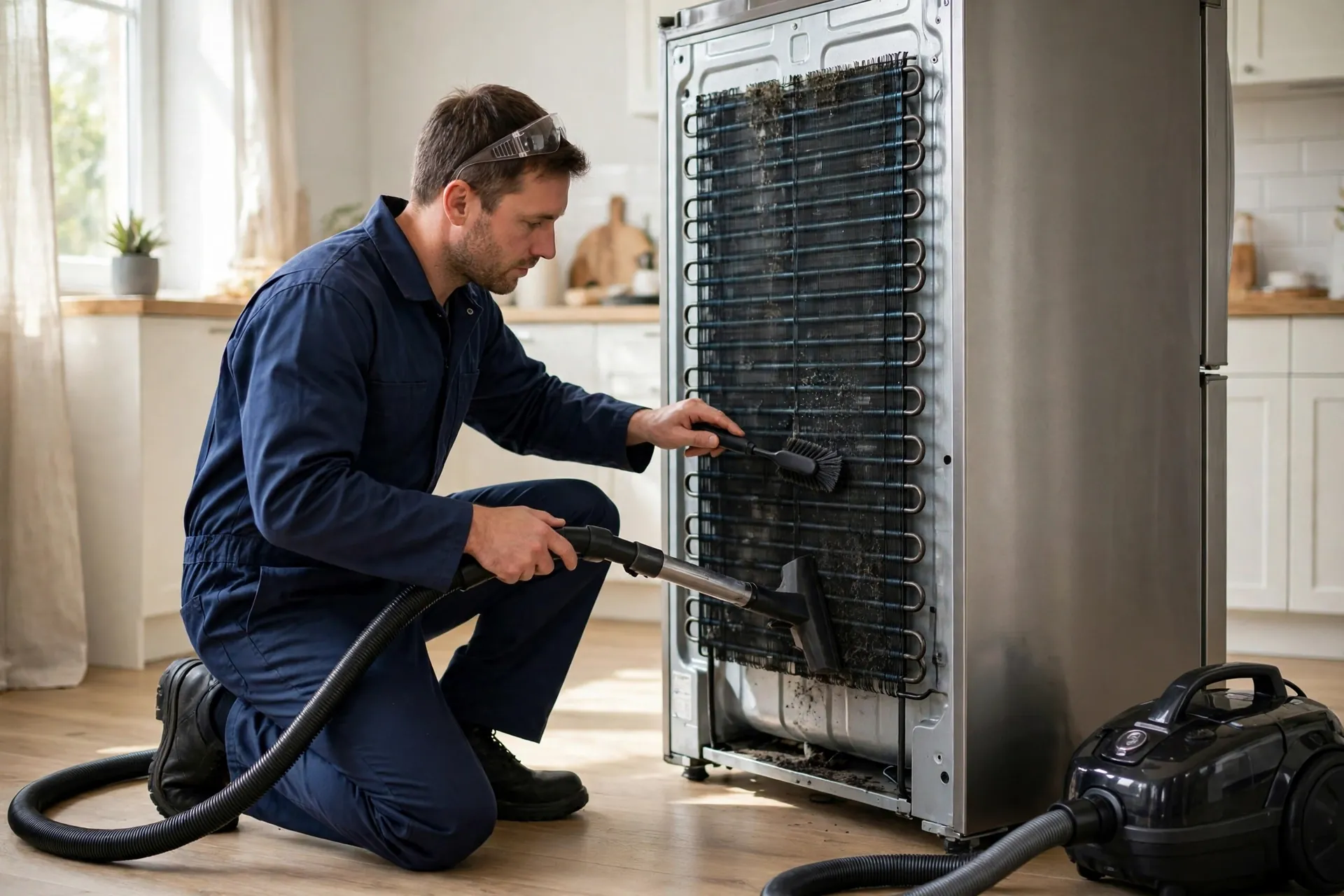
A repair quote should be compared to the full replacement bill, not the sticker price on the showroom floor. Delivery, installation, haul-away, and the cabinet or doorway changes a different-sized unit can force, especially in historic downtown Hartsville kitchens, all add up, and they are easy to forget when the new appliance looks cheap. The other side of the comparison matters too: a new appliance comes with a warranty and years of life, while a repair buys years on a machine you already own. That is why the visit ends with both numbers on the table, not just one.
Related Services
Related Reading
Questions & Answers
Does this problem fix itself?
Almost never. Appliance faults like these either stay the same or get worse with use, and the secondary damage (spoiled food, water damage, overheated parts) is what gets expensive. Catching it early is the cheap option.
Can I safely check anything myself?
Yes: the checks described in this article are the safe ones (settings, vents, filters, temperatures with a thermometer). Anything involving gas lines, sealed refrigerant, or microwave high-voltage parts is a technician job.
How much will the repair cost?
It depends on which cause your appliance has, which is what the diagnosis is for. Our cost guide publishes typical ranges for each service, and your exact price is quoted upfront before work starts.
How fast can you come out?
Same-day or next-day in the Hartsville area during business hours when you call early, and 24/7 for emergencies like leaks and warming fridges. Call (615) 583-1836.
My appliance needs two major parts. Should I still repair it?
Usually not. One major part on a sound machine is often worth it, but two major parts at once usually push the repair past half the price of a comparable new appliance, which is where the 50 percent rule points to replacement. Ask us for both numbers before you decide.
Does a new appliance always save money on running costs?
Not always enough to matter. A newer, right-sized appliance usually uses less energy than a worn-out one, but the saving depends on your house and how you use it, and it rarely pays for the replacement on its own. The decision should rest on the repair cost, the age, and the condition of the machine you have.